

Digital IF Explained: A Practical Guide for SATCOM Operators
SATCOM ground infrastructure is under pressure. Operators are being asked to support more satellites, more bandwidth, more orbits, and more mission profiles, often without rebuilding their ground systems from scratch. That is why Digital IF is becoming a foundational architecture for modern ground networks.
If you’ve spent any time around satellite communications (SATCOM), you’ve probably heard the term “IF” tossed around. Traditionally, IF, short for Intermediate Frequency, has been a key part of how signals move through ground systems. But today, there’s a newer approach gaining ground: Digital IF.
This isn’t just a technical upgrade. It’s a shift in how SATCOM systems are built, scaled, and operated. Here’s what it means in plain English and why it matters.
What Is Digital IF?
At its simplest, Digital IF means taking what used to be analog radio signals and converting them into digital data much earlier in the signal chain.
In a traditional system, a satellite signal comes down to an antenna, gets converted to an intermediate frequency, and then travels through a series of analog components (mixers, filters, amplifiers, splitters, combiners) before finally being downconverted to digital data. Keeping the signal in analog form through much of this process introduces losses and noise, limiting how far the modem, encryption, and user interface can be placed from the antenna.
With Digital IF, that analog portion is shortened or eliminated. The signal is digitized closer to the antenna, and from that point on, everything happens in the digital domain. This allows the modem, encryption, and user equipment to be located much farther from the antenna without the losses and noise associated with analog systems.
Think of it like switching from old film cameras to digital photography. Once everything becomes digital, you gain flexibility, precision, and control.
Why Digital IF Matters
- Flexibility Without Hardware Changes
Analog systems are rigid. If you want to support a new frequency band or waveform, you often need new hardware. Digital IF systems shift more flexibility into software and standard networked infrastructure, allowing operators to add capabilities without redesigning the entire RF and processing chain. That means faster upgrades and less downtime. - Scalability
As demand grows—more satellites, more bandwidth, more users—Digital IF makes it easier to scale. You can add processing power or reconfigure resources without rebuilding your entire ground system. - Greater Signal Visibility and Control
Digital processing allows for better filtering, error correction, and signal optimization. The result is cleaner signals and more efficient use of the spectrum. - Reduced Complexity Over Time
While Digital IF systems can introduce new considerations around integration and compute, they reduce long-term complexity by consolidating functions into software and standard infrastructure. Fewer specialized components mean fewer failure points and easier maintenance over time. - Remote and Distributed Operations
Because signals are digitized early, they can be transported over standard IP networks using digital IF protocols such as DIFI (Digital IF Interoperability). This allows operators to centralize processing in shared compute environments or distribute it across multiple locations without redesigning the RF layer.
For operators, the key is adopting this architecture in a way that delivers immediate operational capability while enabling long-term flexibility.
Why It’s Foundational to SATCOM Ground Infrastructure
Modern SATCOM isn’t what it used to be. We’re no longer dealing with a handful of large satellites and fixed ground stations. Today’s environment includes:
- High-throughput satellites (HTS)
- Non-geostationary constellations (LEO/MEO)
- Dynamic, software-defined networks
- Rapidly changing mission requirements
Traditional analog IF architectures struggle to keep up with this level of complexity and change.
Digital IF, by contrast, is built for it and provides a foundation where RF, transport, and processing can evolve independently.
It enables software-defined ground systems, where capabilities can be updated, reconfigured, and scaled on demand. This is critical for supporting:
- Multi-orbit operations
- Dynamic bandwidth allocation
- Interoperability across different satellite systems
- Automation and orchestration
In short, Digital IF turns ground infrastructure from a fixed asset into a flexible platform.
What Operators Should Consider Before Transitioning
Digital IF adoption is not simply a matter of replacing analog links with IP transport. Operators need to think through timing and synchronization, network performance, interoperability, cybersecurity, and integration with existing modems and monitoring systems. The best transition strategies preserve existing RF investments while creating a path toward virtualized and software-defined operations.
ATG’s Approach to Digital IF
ATG’s approach to Digital IF is focused on making open, modular ground infrastructure practical for real operators.
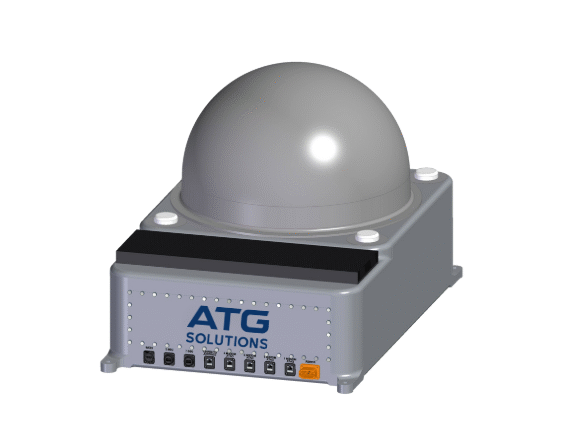
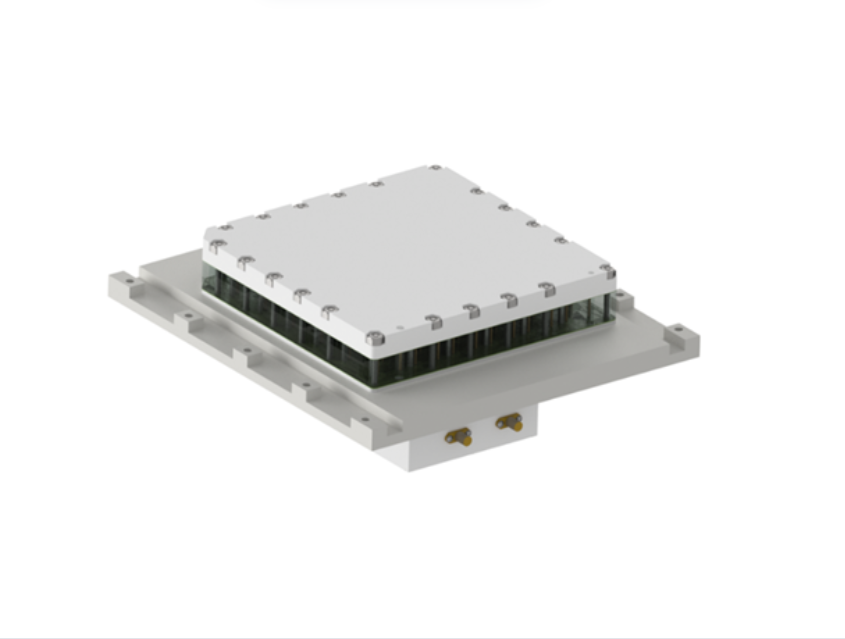
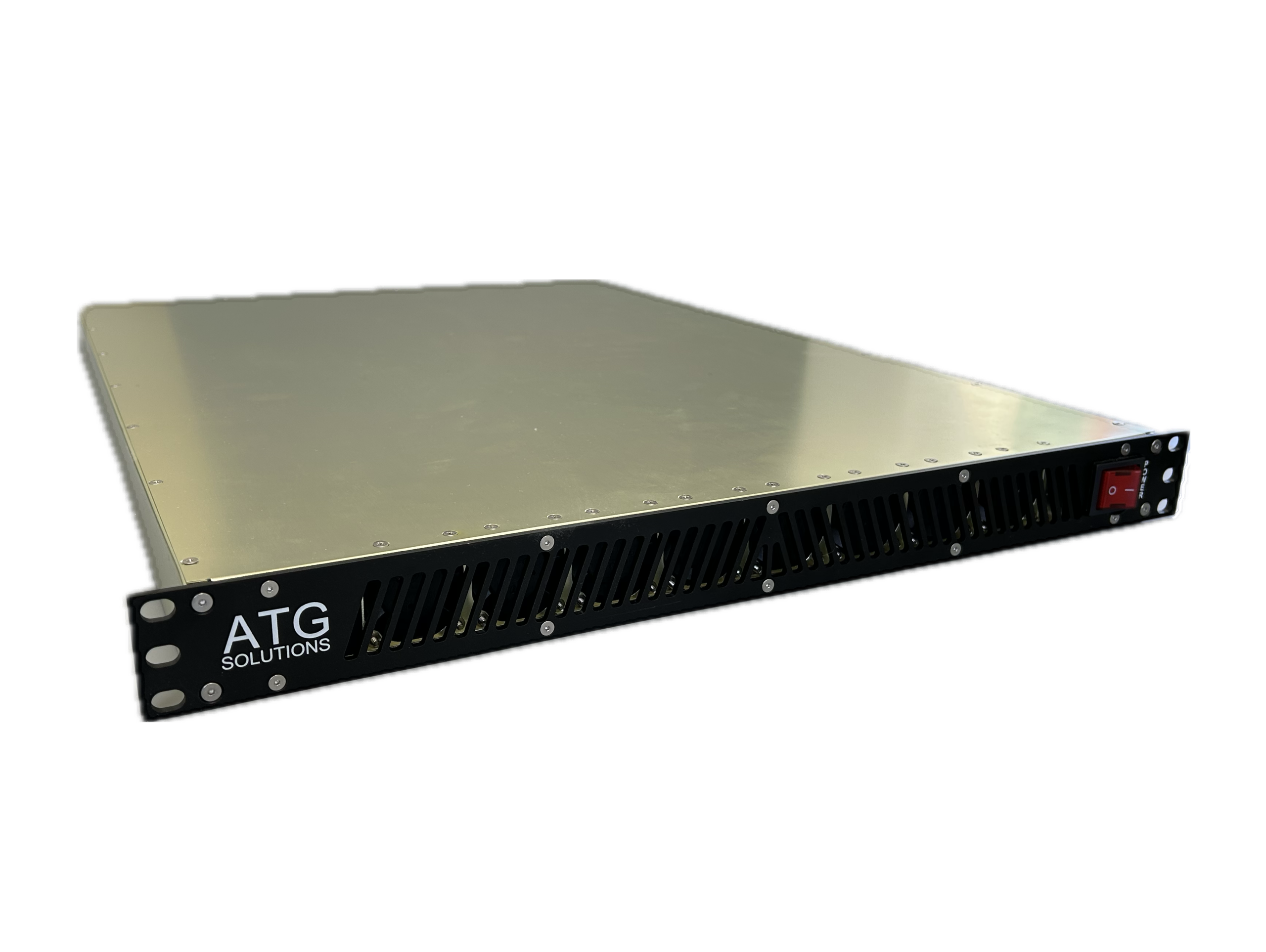
The IFLEX digital IF platform provides a deployable RF digitization layer with DIFI-based signal transport over standard IP networks. It is designed to help operators move from analog IF to digital architectures without redesigning their entire RF infrastructure or taking on unnecessary integration burden.
For R&D environments, IFLEX supports flexible experimentation with digital signal transport, virtualized processing, and modular ground architectures. For operational environments, the goal is to provide that same architectural flexibility in a packaged, deployable solution that can be integrated into existing ground systems.
In other words, IFLEX is not just about digitizing IF. It is about creating a standards-based bridge between today’s RF infrastructure and tomorrow’s software-defined ground systems.
[Explore the IFLEX Digital IF platform →]
The Bottom Line
Digital IF isn’t just a technical improvement but a necessary foundation for the future of SATCOM.
As the industry moves toward more dynamic, software-driven operations, ground systems need to keep pace. Digital IF provides the flexibility, scalability, and performance required to support that shift.
Organizations that adopt Digital IF aren’t just modernizing infrastructure, they’re shifting to an architecture that can evolve over time without repeated hardware redesigns.


Comments are closed